Visiting the dentist often seems like a nerve-wracking experience for many, with the mere thought of needles and drills causing anxiety. This fear is not uncommon; in fact, studies indicate that dental anxiety affects a significant portion of the population, leading to delayed or avoided dental visits. However, advancements in dental technology have revolutionized the way procedures are performed, focusing on minimizing pain and discomfort.
Techniques such as computerized anesthesia delivery systems, laser dentistry, and virtual reality distractions are now being employed to create a more comfortable and less intimidating dental experience. These innovations not only alleviate physical pain but also address the psychological barriers that often prevent individuals from seeking necessary dental care. In this blog, you will read how these modern methods work, their benefits, and how they contribute to a more pleasant and stress-free dental visit. Keep reading.
What is Painless Dentistry?
Painless dentistry isn’t a magic trick or an impossible promise; it’s a thoughtful combination of modern techniques, cutting-edge technology, and patient-focused care. The primary goal is simple: reduce discomfort, anxiety, and fear during dental procedures. Whether it’s a routine filling, a complex root canal, or a tooth extraction, these procedures are designed to minimize pain while maximizing patient comfort.
Dentists trained in painless techniques are adept at tailoring each treatment to the patient’s needs, ensuring that even the most nervous patients feel at ease. For residents in Georgetown, seeking painless dentistry means experiencing dental care that prioritizes comfort without compromising results. With gentle, advanced methods, even those who previously dreaded the dentist can enjoy a smooth, stress-free visit.
The Science Behind Reducing Pain
Modern dentistry uses science-backed methods to reduce pain, making visits virtually stress-free. One of the most common tools is local anesthesia, which numbs the specific area being treated, ensuring patients feel little to no discomfort during procedures. For patients with dental anxiety, sedation dentistry offers an extra layer of comfort. Options like nitrous oxide (commonly called laughing gas) or oral sedatives help calm nerves, creating a relaxed, almost sleep-like state while dental work is performed.
Laser dentistry is another game-changer. Unlike traditional methods, lasers allow dentists to perform minimally invasive procedures, reducing tissue damage and speeding up recovery. Studies from reputable sources like the American Dental Association (ADA) indicate that patients undergoing laser treatments report significantly lower pain levels compared to conventional methods. Thanks to these modern tools, what used to be a painful procedure can now feel like a simple check-up. For patients in Georgetown, these advancements mean that dental care is no longer a source of fear but a step toward healthier, happier smiles.
How Technology Enhances Comfort?
Technology plays a pivotal role in making dentistry painless. Digital impressions, for example, replace messy traditional molds with fast, precise, and comfortable scans, eliminating the gagging or discomfort associated with older methods.
Similarly, electric drills are smoother, quieter, and create less vibration than manual drills, making procedures far less intimidating. Advanced imaging tools like CBCT scans allow dentists to plan treatments with exceptional accuracy, reducing unnecessary procedures and minimizing discomfort.
These innovations not only make treatments faster but also enhance the overall patient experience. Georgetown patients now enjoy a new era of painless dentistry through these advanced tools. With technology working behind the scenes, dental visits feel less like a chore and more like a routine, stress-free health appointment.
Addressing Dental Anxiety
Pain isn’t the only barrier to regular dental care; anxiety plays a significant role. Fear of pain can amplify even minor discomfort, making patients more apprehensive. Modern dentists recognize this and employ strategies to ease nerves. Techniques such as guided relaxation, music therapy, and clear communication help patients feel in control during every step of the procedure. Dentists who take the time to explain each stage calmly and answer questions create a trusting environment.
According to surveys, patients who experience these approaches report lower anxiety and greater willingness to attend regular dental visits. By addressing both physical discomfort and emotional stress, painless dentistry ensures that patients leave feeling calm and confident, ready to maintain consistent oral care.
Choosing the Right Painless Dentistry Clinic
Not all dental offices provide the same level of comfort and advanced care. When searching for painless dentistry in Georgetown, it’s essential to choose an experienced dentist trained in sedation and modern techniques. Checking reviews, patient testimonials, and comfort-focused policies can give valuable insights into how a clinic manages both pain and anxiety.
Be sure to ask about the technology they use, available pain management options, and strategies designed to support anxious patients. Scheduling a consultation allows you to experience the clinic environment firsthand and see how they prioritize a pain-free dental experience. For residents of Georgetown, selecting the right clinic ensures that every visit is comfortable, efficient, and stress-free.
Conclusion
Fear and pain no longer need to be barriers to good oral health. With a combination of modern technology, scientific techniques, and patient-centered care, painless dentistry transforms dental visits into a comfortable, anxiety-free experience. Residents of Georgetown can now enjoy dental care without fear, ensuring healthier teeth and gums while boosting overall confidence and well-being. Don’t wait to experience the benefits for yourself. Experience painless dentistry in Georgetown, and discover a new standard of comfort and care in dental health.
A sudden toothache, a chipped tooth, or unexpected swelling in the jaw, dental emergencies often come without warning and can feel easy to dismiss in the rush of daily life. But delaying treatment in these situations can have serious consequences for your oral and overall health. According to a report by the American Dental Association (ADA), more than 2.1 million Americans visit emergency rooms each year for dental-related issues, many of which could have been prevented with earlier dental intervention.
What’s more alarming is that untreated dental infections can escalate into life-threatening conditions like sepsis or spread to vital organs, as noted by The Washington Post in a health feature that highlighted the increasing number of hospitalizations tied to neglected dental problems.
For residents in fast-growing urban areas like Austin, where lifestyles are busy and delays are common, understanding the risks of postponing dental treatment is more important than ever. Timely access to emergency dental care in Austin can mean the difference between saving a tooth and facing complex, costly procedures later on. In this blog, you will explore what happens when dental emergencies are ignored and why seeking prompt care is paramount. Keep reading.
What Qualifies as a Dental Emergency?
Dental emergencies aren’t always dramatic. Sometimes, they start small and silently escalate. Here are some common red flags that should never be ignored:
- Severe toothache.
- Knocked-out or broken tooth.
- Dental abscess or gum infection.
- Bleeding gums that won’t stop.
- Lost filling or dental crown.
Pain is your body’s alarm system; it’s signaling that something’s wrong. Don’t “wait it out” or hope it resolves on its own. Early care from a provider offering emergency dental care in Austin makes all the difference between a simple fix and a major procedure.
The Risks of Delaying Emergency Dental Treatment
Let’s be honest, life gets busy. But when it comes to dental pain, delay comes at a cost.
Increased pain and infection:
What starts as a dull ache could turn into a raging infection. Bacteria can spread to your jaw, bloodstream, or even vital organs if untreated.
Permanent tooth loss:
A cracked or knocked-out tooth can often be saved, but only if treated quickly. Waiting too long may lead to extraction.
Spread of infection:
Oral infections can cause serious complications like sinus infections or, in severe cases, sepsis, a life-threatening condition.
Higher treatment costs:
Ignoring a minor cavity today could result in a root canal or extraction tomorrow.
When Should You Seek Immediate Dental Care?
Here are signs you should never ignore:
- Facial swelling or jaw pain.
- Persistent bleeding.
- Knocked-out or loose tooth.
- Sudden tooth sensitivity to hot/cold.
- Throbbing pain that disrupts sleep or daily life.
If something doesn’t feel right, don’t second-guess yourself. Trust your instincts. If you’re unsure whether your situation requires emergency dental care in Austin, call a local provider for immediate guidance.
Long-Term Effects of Ignoring Dental Emergencies
Your mouth is connected to your whole body, and ignoring dental emergencies can impact your overall health.
- Heart health – Gum disease has been linked to heart disease and stroke.
- Diabetes management – Oral infections make it harder to control blood sugar levels.
- Mental well-being – Chronic pain leads to stress, anxiety, and sleep issues.
Austin residents should never delay seeking timely emergency dental care. Your oral health is a critical piece of your overall wellness puzzle.
Emergency Dental Care in Austin: Pain Relief, Not Panic
Nervous about a dental visit? Don’t be. Here’s what typically happens during an emergency appointment:
- Assessment and diagnosis.
- Immediate pain relief.
- Treatment plan or same-day solution.
Most clinics now offer flexible hours, weekend care, and compassionate staff. An emergency dental care in Austin offers compassionate, fast relief when you need it most, day or night.
Final Thoughts
The early identification and prompt treatment of dental infections are paramount to overcome more severe, widespread, and life-threatening infections. Dental emergencies often involve openings in the gum tissue or exposed tooth roots. Living in Austin, if you are experiencing any dental issue, whether it’s a cracked tooth, a throbbing jaw, or a filling that suddenly popped out, emergency dental care is way better than dealing with complications tomorrow.
Missing teeth affect more than just your smile—they change the way you eat, speak, and feel about yourself. In Georgetown, many people struggle with tooth loss due to decay, trauma, or gum issues, which leads to a common question: What’s the best way to bring back a confident, healthy smile? The answer still trusted by dental experts and patients alike? Dental bridges. Though newer methods like iamplants often grab the spotlight, dental bridges continue to offer a solid, effective, and budget-friendly solution. If you’re searching for options like dental crowns and bridges, or trying to find a reliable dentist for bad teeth in Georgetown, this blog is here to help you understand why bridges remain a go-to solution. Keep reading to learn more.
Understanding the Real Impact of Missing Teeth
A missing tooth doesn’t just leave a gap—it begins a chain reaction. Neighboring teeth start to shift. The jawbone weakens. Bite alignment changes. Every day tasks like chewing certain foods become uncomfortable or even painful. Over time, your confidence drops too, especially when smiling or speaking in public. That’s where dental bridges step in—bringing comfort, functionality, and a natural look back to your mouth.

What Are Dental Bridges?
A dental bridge is exactly what it sounds like—it bridges the gap created by missing teeth. It involves anchoring an artificial tooth between two existing teeth or crowns. Depending on the condition of your oral health, your Georgetown dentist for bad teeth may recommend bridges as a practical way to restore multiple teeth at once.
Why Are Dental Bridges Still a Top Choice?
Let’s walk through the reasons why dental bridges are still considered one of the most trusted solutions in tooth replacement:
Restores Function Naturally
Dental bridges bring back your ability to chew, speak, and smile without hesitation. The artificial teeth are shaped and colored to match your natural smile, blending in smoothly.
Prevents Shifting and Bone Loss
Without a tooth in place, nearby teeth may shift, causing misalignment. Dental bridges help maintain the structure of your smile and stop other teeth from drifting.
Quick and Reliable
Unlike some treatments that take months to complete, dental bridges require less time. Patients looking for dental crowns and bridges in Georgetown often appreciate how quickly they regain full function and appearance.
Ideal for Multiple Missing Teeth
Bridges are especially helpful if you have more than one missing tooth in a row. Rather than multiple surgeries, a bridge offers a simpler approach.
Budget-Friendly Option
When compared with certain procedures, bridges offer a more affordable route, without compromising on quality. For those looking to rebuild their smile with care and value, bridges are often the smart choice.
How do Dental Crowns Support Bridges?
Crowns are a key part of dental bridges. They act as the anchor points on either side of the gap. Your Georgetown dentist for bad teeth will carefully prepare the surrounding teeth and place crowns over them. These crowns then hold the artificial tooth securely in place. Together, dental crowns and bridges in Georgetown work as a strong team to bring your smile back to life.
Is It Right for You?
If you’re dealing with damaged, broken, or missing teeth, a visit to a local dentist for bad teeth in Georgetown is the best place to start. They will evaluate your dental health and help guide you through options that match your needs. Dental bridges are often recommended for patients who want a faster solution, or those who may not be ready for surgical alternatives. The procedure is straightforward, recovery is smooth, and the results are long-lasting. More importantly, it restores something far more valuable—your self-esteem.
Keeping Your Bridge Strong
Once you’ve had a dental bridge placed, maintaining it is as simple as sticking to a good oral hygiene routine. Brushing twice a day, flossing gently around the bridge, and keeping up with regular cleanings are key. Your Georgetown dentist will also show you the best way to care for your bridge to make sure it stays looking and feeling great.
Georgetown’s Trusted Tooth Fix: Dental Bridges That Keep It Real
Losing a tooth can shake up your whole vibe. But dental bridges? They’ve been holding it down for years. They’re reliable, they look good, and they bring back that full-smile energy like nothing ever happened. Whether you’re dealing with one gap or a few, searching for dental crowns and bridges, or need a solid dentist for bad teeth in Georgetown, bridges are still one of the smartest moves out there. No fluff, just real results. So don’t sleep on this classic solution. Your smile deserves to shine—today, tomorrow, and every day after. Keep it strong. Keep it real. Keep smiling.
Do you ever think you are doing enough to protect my gums? Your gums are not just the soft tissue surrounding your teeth; they are the foundation of your oral health. As the saying goes, “Healthy gums, healthy life.”
Gum disease, or periodontal disease, often begins silently but can lead to severe consequences like tooth loss and even affect your overall health. The good news? You have the power to prevent it! By adopting thoughtful, proactive habits, you can maintain vibrant, strong gums for a lifetime.
Let’s explore practical, effective strategies to keep your gums healthy and periodontal disease at bay.
Brush Diligently and Gently Twice a Day
Brushing of the teeth forms the base foundation of gum care. You should use a soft-bristled brush; aggressive brushing can harm your gums.
When brushing, focus meticulously on the gumline, where plaque tends to build up. For best results, use fluoride toothpaste and brush in small, circular motions. Don’t rush; spend at least two minutes twice daily for a complete clean. Investing in an electric toothbrush with a built-in timer can help ensure consistency.
Example: You’re brushing too hard, and over time, your gums start to recede, exposing the sensitive root of a tooth. Prevent this by brushing as if you’re polishing delicate glass, not scrubbing a dirty pan.
Floss Religiously Every Day
Dental floss removes all types of foodstuffs and plaques from parts of the space between the teeth that your brush cannot reach. If plaque on the teeth isn’t removed with floss, it hardens into tartar which then irritates your gums and forms periodontal disease.
Slide the floss gently between your teeth, curving into a “C” shape around each tooth. Do not snap it into your gums-you will only irritate them unnecessarily. For less fiddly alternatives, try floss picks or a water flosser.
Example: Imagine skipping flossing regularly. Plaque builds up between your teeth, and suddenly, you notice redness and swelling. By dedicating a mere two minutes daily to flossing, you save yourself discomfort and expensive dental treatments later.
Rinse Effectively with an Antimicrobial Mouthwash
An antimicrobial mouthwash doesn’t just freshen your breath; it actively combats bacteria lurking in your mouth. This is particularly crucial after meals, as these bacteria release acids that harm your gums and teeth.
Opt for a therapeutic mouthwash containing active ingredients like chlorhexidine or essential oils. Swish the rinse for about 30 seconds, ensuring it reaches every corner of your mouth.
Avoid rinsing with water immediately afterward to let the mouthwash work its magic longer.
Example: After enjoying a flavorful dinner, you might think brushing alone is enough. But a perfunctory gargle with mouthwash boosts the effect, killing free radicals that could otherwise lodge in your gums overnight.
Schedule Regular Dental Checkups and Cleanings
You must personally care for the gums at home, but in reality, going to a dentist periodically for clean-ups is necessary. Dentists have special apparatus to remove tarter, which usually you cannot clear off by yourself.
It is advisable to have a visit every six months from your dentist. If you belong to a group of people with a higher chance of gum-related problems, which includes smoking, diabetic patients, and those with a family history of gum disease. You receive helpful tips about improving your care for your gums during these visits.
Example: Think of your dentist as a coach. Even the best athletes need a coach to refine their technique and catch mistakes they don’t notice. Similarly, your dentist helps fine-tune your gum care efforts.
Embrace a Healthy, Balanced Diet Rich in Gum-Friendly Foods
Did you know that your diet plays a big role in keeping your gums healthy? Crunchy and fibrous foods like carrots, celery, and apples naturally stimulate saliva production. The extra saliva washes away plaque and bacteria, making your mouth cleaner. Meanwhile, calcium-rich foods such as cheese, yogurt, and leafy greens work wonderfully to strengthen your teeth and gums.
But sugar-coated snacks and beverages can do a lot of harm to your gums by offering a breeding ground for the bacteria. On the other hand, you may hydrate your mouth with water quite often to ensure that it stays clean. For a sweet craving, you could opt for dark chocolate, but just in small portions. This contains less sugar than most desserts and is better for your oral health.
Example: Picture yourself indulging in a sugary soda daily. Over time, your gums might become inflamed due to the acid and sugar residue left behind. By switching to water or sugar-free beverages, you protect your gums and enjoy a brighter, healthier smile.
Conclusion
Preventing periodontal disease is not something drastic overnight; it is about embracing small, impactful habits consistently. Meticulous brushing, religious flossing, effective rinsing, regular visits to your dentist, and thoughtful eating all give your gums the care they deserve.
Healthy gums are not just about supporting your teeth; they improve your overall well-being. Every effort you make now pays off in the form of a confident smile and long-lasting oral health.
Visit the best dentist near you regularly to protect your smile for a lifetime.
As a parent, it’s always crucial to stay vigilant about your child’s dental health. The early signs of tooth cavities can often be subtle, but catching them early can make a significant difference. Cavities can cause pain, discomfort, and long-term dental issues if left untreated. The good news is that there are a few key indicators you can look for, making it easier for you to act quickly. Here are the five early signs your child might have a tooth cavity.
1. White Spots or Discoloration on Teeth
White spots are one of the first signs that your child has a cavity. They indicate that the enamel surrounding the tooth is starting to decalcify. You don’t have to worry initially that it may be a great problem; it will not hurt them. However, the development of white spots is an alert signal that the tooth is suffering from demineralization and might soon get its cavity.
If you see these, then it would be best to visit the dentist for rotten teeth in Georgetown before this can cause further damage. In many ways, this will be able to reverse some of the destruction and prevent a larger cavity.
2. Tooth Sensitivity or Pain
Does your child complain of pain or sensitivity while consuming hot or cold foods? This might be the telltale sign that a cavity is beginning to form. A cavity will weaken the structure of the tooth and make it more susceptible to changes in temperature. Pain from this usually comes as sharp and can be felt very easily while biting on something sweet or cold.
If the discomfort continues or even your child stops eating a certain food item because he is uncomfortable with it, then it needs to be taken to the professionals for assessment. Then you can nip further suffering and complications before they appear.
3. Bad Breath (Halitosis)
Halitosis often occurs in children with cavities. Cavities ensure that food particles and bacteria concentrate in the crevices of the teeth. The gathering causes a bad smell, and it does not go away when brushed and mouthwashed. Maybe your child has a cavity and this is why they breathe with their mouth open persistently, and the smell just does not go away from their mouth.
Cavity not only makes your child uncomfortable but may also cause low self-esteem in him because of bad breath; hence the need for early treatment that will help get rid of the problem, making your child fresh and with a healthy smile.
4. Visible Holes or Pits in Teeth
As cavities progress, they can eventually form visible holes or pits in your child’s teeth. These holes are typically brown or black in color and can be quite noticeable, especially on the chewing surfaces. While these holes may not cause pain right away, they’re a clear sign that the tooth is decaying and needs immediate attention.
If you do observe any visible damage on the teeth of your child, you are obliged to immediately book an appointment with a dentist for bad teeth in Georgetown. Early discovery of cavities is easier and may prevent them from spreading into further problems.
5. Unexplained Toothaches or Throbbing Pain
If your child suffers from an acute or throbbing toothache, it’s a symptom of a cavity having deepened into the structure of the tooth, and probably inside nerves. This makes pain really unbearable, and your child cannot even eat or sleep normally.
More than a day or two, the toothache is severe or persistent. If it hurts severely or lasts for more than a day or two, then it is time to see a dentist. Otherwise, infections or even a root canal might be required. In some cases, immediate attention may save the tooth of your child from further damage and pain.
Factors to Consider
- Diet: High sugar intake may lead to cavities more easily, especially in sugary drinks and snacks. Big difference can be made by simply limiting sugar-rich foods and drinks.
- Brushing Habits: If the child does not brush his or her teeth in an appropriate manner or regularly, then the plaque formation can be there. So, train your child to brush at least twice a day with fluoride toothpaste.
- Genetics: Some children are more prone to cavities due to genetics. Their enamel may be weaker than that of other children. If cavities run in your family, then be extra cautious.
- Snacking frequency: Snacking all day increases the exposure of the teeth to sugar and acid, which leads to cavities. Make your child have regular meals rather than frequent snacking.
Conclusion
This way, early detection of a cavity can save your child from pain and discomfort and more serious dental problems. Should any of the above signs manifest, do not hesitate to call up a dentist. This ensures your child’s teeth stay healthy and strong for years to come.
If your child is experiencing any symptoms of dental problems, you can visit Rivery Dental, where we offer expert care from a dentist for bad teeth in Georgetown. We take pride in delivering high-quality care to individuals with oral health concerns.
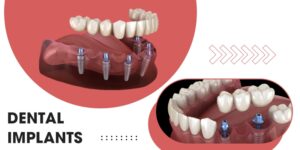
Dental implants and crowns are fantastic investments in your smile and oral health. They restore function and enhance appearance, but to keep them looking and working their best, a solid care routine is essential. With consistent maintenance, your implants and crowns can last many years — even decades
Clean Your Implants and Crowns Daily
Treat your dental implants and crowns as you would your natural teeth. Brush at least twice a day with a soft-bristle toothbrush and fluoride toothpaste. This helps prevent plaque build up, keeps them looking their best, and reduces the risk of gum disease. Proper brushing is key to keeping your dental work intact for as long as possible. Regular cleaning also prevents plaque from forming along the gum line. If plaque causes inflammation around implants, it may lead to peri-implantitis, an infection similar to gum disease that can threaten the stability of your implants. Using a non-abrasive toothpaste can also help reduce scratches on crowns, keeping them smooth and shiny
Floss with Care
Dental implants and crowns need as much flossing as natural teeth. Food and plaque can easily get trapped in the small spaces around these restorations, so make it a habit to floss daily, focusing on these tight areas to keep bacteria away. Certain specialized tools can make flossing around implants and crowns easier. Floss threaders work well if you have multiple implants or crowns, and interdental brushes help maintain cleanliness between teeth. Water flossers are another excellent option, using a gentle water stream to clean interdental spaces, which helps protect your gums and keeps your mouth feeling fresh and healthy
Schedule Regular Dental Checkups
With crowns or implants, regular follow-up visits are essential. Aim to see your dentist every six months for a thorough examination. During these checkups, your dentist will look for signs of wear, damage, or infection. They may also take X-rays to ensure the implant is securely fused with the jawbone.
Professional cleanings during these visits are invaluable, as hygienists have specialized tools to clean around implants and crowns, reaching areas regular brushing and flossing might miss. These checkups allow your dentist to catch any issues early, helping to extend the life of your restorations
Avoid Hard and Sticky Foods
While crowns and implants are durable, they’re not indestructible. Hard foods like ice, hard candies, and bones can crack or chip them, while sticky foods like caramel and gum can loosen crowns over time. To protect your dental work, avoid these items when possible. Choose softer foods, or cut hard items into smaller pieces. If you tend to chew on pens, fingernails, or other objects, work on breaking these habits. Small precautions, such as opting for whole fruits instead of hard candies or eating popcorn with care, can make a big difference in preserving your smile.
Protect Your Implants and Crowns at Night
If you grind your teeth, wearing a nightguard is essential. Bruxism (teeth grinding) exerts excessive pressure, which can wear down or crack crowns and even damage implants. A nightguard provides a protective barrier that redistributes this force, minimizing potential damage. Even if you don’t grind your teeth, a nightguard can still be beneficial. Active sleepers may unconsciously clench their jaw, and a nightguard keeps implants and crowns protected, extending their lifespan.
Conclusion
Taking care of your implants and crowns doesn’t have to be complicated. By following these simple steps, you can protect your investment and enjoy a healthy, beautiful smile for years. A little extra attention goes a long way to keep your dental work strong, clean, and looking its best. At Rivery Dental, we’re committed to providing excellent care for our patients. We use the latest techniques and technologies to enhance your oral health and appearance with a wide range of services, from affordable root canals and crowns to teeth straightening, reshaping, gap-filling, teeth whitening, and more. Our dedicated team is here to help you achieve a healthy smile, and we proudly offer low-cost root canal options without compromising quality. Contact us today with any questions or to schedule your appointment
A lot of individuals become fearful upon hearing the term “root canal.” However, the reality is that contemporary root canal procedures are now simpler than in the past. The majority of individuals consider the experience to be without pain. Due to localized anesthesia and modern techniques, it is unlikely that you will experience any pain while undergoing the procedure. Instead, you will start your journey towards a healthier smile.
Let’s examine the process of a root canal and understand why there is no need to be afraid!
When Do You Need A Root Canal?
You may be questioning whether a root canal is truly necessary. Below are a few indicators to be on the lookout for:
Tooth Sensitivity: Are you experiencing sensitivity to a temperature that continues even after removing the trigger? This may indicate an issue.
Experiencing Pain When Biting or Chewing: If you feel pain when you bite, it might mean there’s an infection in the soft part of your tooth. This is a clear sign that you should see your dentist. Have you noticed any swelling or tenderness around the affected tooth? This is another warning sign. If the tooth is discolored, it could mean the pulp is damaged or dead, which is not a good sign.
Tooth abscess: If you notice any discharge or pus around the base of your tooth, it might indicate an infection that could lead to more serious dental issues. This situation often requires a root canal, which is a procedure to remove the infected tissue inside the tooth.
It’s important to recognize the signs of infection, such as pain, swelling, or discharge, and seek dental care as soon as possible. Delaying treatment can allow the infection to spread, leading to more complications, which could result in the loss of the tooth or other health issues. So, if you see these symptoms, don’t hesitate to get it checked by a dentist.
How Long Does A Root Canal Take?
You might be interested in knowing the duration of a root canal procedure. The majority of treatments typically range from 30 to 60 minutes in duration. In more complex situations, the process could last 90 minutes or more. At times, a follow-up appointment may be necessary to complete all tasks. However, rest assured that this experience will not be reminiscent of being confined to the dentist’s chair for an extended period of time.
Considering it, this is a brief period for the overall health of your teeth. Is it not worth it to save your natural tooth? In the end, investing some time now can prevent more serious issues in the future.
How Are Root Canals Performed?
Below is a basic explanation of the process of a root canal.
First Inspection: Upon arrival at the dentist’s clinic, the initial step is to conduct X-ray imaging. This aids them in determining the extent of the infection’s spread. Determining whether a root canal is necessary is an important step.
Numbing: After you sit down, the dentist will use a local anesthetic to numb the area around your tooth. You will not experience any sensations while the procedure is taking place. Isn’t that a comforting feeling?
Gaining entry to the tooth: Once numbed, the dentist will create a tiny hole at the top of the tooth. This entrance allows access to the inner substance.
Getting rid of the Infection: Now it’s time for the important step. The infected pulp will be extracted by the dentist, followed by cleaning and disinfecting the canals and surrounding area. This is important in ensuring your successful recovery.
Filling and sealing: After cleaning everything, the dentist will fill the canals with a specific material and then seal them. This provides a new beginning for your tooth.
Care after the procedure may include receiving antibiotics and pain medication to alleviate any pain or discomfort. Have you considered the improvements in dental care throughout the years?
Does It Hurt?
Let’s discuss a frequently asked question: is a root canal painful? The brief response is negative. During the procedure, you will not experience any pain with the use of anesthesia. The majority of the discomfort you experienced prior to the procedure is caused by the infection rather than the root canal procedure itself.
Many people say that a root canal feels more like pressure than pain. This makes it easier to handle. If you’re worried about pain, remember that the procedure is designed to be as painless as possible. The goal is to relieve the pain caused by the infection. In the end, having a root canal can help you feel better and save your teeth.
Conclusion
In conclusion, root canal treatment is far less painful than many people believe, thanks to modern advancements in dental techniques and anesthesia. If you’re experiencing symptoms that may require a root canal, don’t let fear hold you back from seeking treatment. Consult with a qualified dentist to determine if a root canal or dental implants would be the best option for you. Remember, finding the best dentist near you can make a significant difference in your dental health journey. Prioritize your smile and take action for a healthier, pain-free future!
Are you curious about how dental crowns can enhance your oral health? From repairing damaged teeth to restoring your ability to chew, dental crowns offer a practical and effective solution for various dental issues. In this blog post, we’ll explore five key ways that dental crowns can significantly improve your oral health and boost your confidence. Read on to discover how this dental treatment can benefit you!
How Dental Crowns Enhance Oral Health
- Protection Against Tooth Sensitivity
Tooth sensitivity can be a common problem for those with significant dental damage. Factors such as enamel erosion from teeth grinding, acid exposure from food and drinks, or conditions like bulimia or gastric acid reflux can exacerbate this issue. Dental crowns provide a protective barrier, reducing discomfort caused by extreme temperatures and preserving the integrity of your teeth.
- Preventing Additional Damage
Teeth that have been chipped or fractured are more vulnerable to further damage, especially when subjected to the stresses of biting and chewing. Large fillings, often used to repair teeth with substantial decay, can weaken the structure of a tooth. A dental crown can help safeguard the tooth, preventing further deterioration and protecting it from additional harm.
- An Essential Part of Dental Restoration
Dental crowns play a crucial role in dental restorations, especially when paired with dental implants to fill gaps left by missing teeth. They are also integral to dental bridges, where crowns are placed on either side of the gap to support the bridge and restore function. For teeth that are loose, crowns can stabilize and strengthen them, providing greater support and preventing further mobility.
- Addressing Cosmetic Issues
Dental crowns can also enhance the appearance of your smile by covering imperfections. If your teeth have noticeable yellowing or stains, a crown can conceal these flaws. Porcelain crowns are particularly popular for their natural appearance, as they closely mimic the color and sheen of your natural teeth.
- Preventing Tooth Loss
Strengthening a weakened tooth with a crown is one of the most effective preventive measures in dentistry. By covering and protecting the tooth, a crown can help prevent further damage and reduce the risk of more serious problems that might require extraction. This preventive approach helps you maintain your natural teeth longer and avoid more invasive treatments.
Conclusion
Dental crowns and bridges, available at dental practices in Georgetown and across the US, offer numerous benefits for oral health. They not only protect your teeth from future damage but also improve the aesthetics of your smile and restore your ability to eat comfortably. By supporting loose or damaged teeth, dental crowns make it easier to maintain good oral hygiene and keep your smile looking its best.
At Rivery Dental, we use the latest techniques and technologies to enhance your oral health and appearance, ensuring you leave with a confident smile. Whether you need teeth straightening, reshaping, gap-filling, bite adjustments, or teeth whitening, our dedicated team is here to provide exceptional care with a personal touch. Trust us for commitment and excellence in dental care. Contact us today with any questions or to schedule your appointment.
Are you feeling anxious about your upcoming dentist appointment? Dental waiting rooms often evoke fear and anxiety, fueled by tales of unpleasant experiences. The sights and sounds of dental offices, from the shrill of drills to the scent of disinfectants and latex gloves, can be unsettling for many. These sensory triggers sometimes lead patients to avoid necessary dental care altogether.
However, avoiding the dentist isn’t a solution. Regular dental visits are as crucial as other healthcare procedures recommended by health authorities. If you’re in Austin or Georgetown Texas and seeking a more comfortable dental experience, consider sedation dentistry.
Sedation dentistry aims to make dental visits as comfortable as possible through methods like oral sedation, nitrous oxide, and anesthesia. For those who are experiencing discomfort or anxiety before dental appointments, seeking dentists who specialize in sedation can significantly improve their experience.
Five Situations Where Sedation Dentistry Might Be Advised
Difficulty Sitting Still: Some dental procedures require patients to remain still for extended periods. Sedation can help patients, including children or those with physical impairments, relax and cooperate during treatment.
Teeth and Gum Sensitivity: Dental procedures can be challenging for individuals with sensitive teeth and gums. Sedation can alleviate discomfort, allowing necessary treatments to proceed smoothly.
Gag Reflex: A strong gag reflex can make dental procedures difficult and uncomfortable. Sedation can help relax the gag reflex, making dental work more manageable.
Anxiety Relief: Dental anxiety is common and can deter individuals from seeking regular dental care. Sedation dentistry provides a solution by making dental visits less stressful and more tolerable.
Efficiency: Sedation can increase a patient’s pain tolerance, enabling dentists to complete more extensive procedures in a single visit. This efficiency reduces the need for multiple appointments and minimizes discomfort.
Steps Your Dentist Should Take Before Administering Sedation
While sedation offers numerous benefits, its suitability varies depending on individual circumstances. It’s essential for both you and your dentist to discuss your medical history and current medications before opting for sedation dentistry. Your dentist should also explain the risks and benefits of sedation to help you make an informed decision.
Conclusion
Sedation dentistry is a valuable option for patients dealing with dental phobia, sensitivity, or other challenges. It numbs sensations and calms nerves, facilitating uninterrupted dental sessions. If you’re considering sedation
dentistry, consult with your dentist to explore your options. For specialized advice on sedation dentistry in Austin and Georgetown Texas, seek out experienced professionals.
At Rivery Dental, we prioritize patient comfort and provide exceptional oral healthcare. Visit us for a consultation to learn more about the benefits of sedation dentistry and how it can enhance your dental experience.
A beautiful smile not only reflects confidence and self-assurance but also signifies excellent oral health. In a world where first impressions count, your smile plays a crucial role in leaving a positive impact. According to a survey by PR News, your smile is the first thing people notice about you. But what if you’re not naturally blessed with a perfect smile?
Cosmetic dentistry offers a straightforward solution to enhance your smile. It utilizes advanced techniques to address oral imperfections, ensuring you can confidently showcase your smile without any hesitation.
Modern cosmetic dentistry leverages cutting-edge technology and treatments to improve both dental health and appearance. If dental concerns make you self-conscious about your appearance, cosmetic dentistry provides various options such as teeth straightening, filling gaps, correcting bites, whitening discolored teeth, and more. Maintaining a bright and happy smile is crucial, reflecting why more individuals are turning to qualified cosmetic dentists for solutions.
How Cosmetic Dentistry Can Help Achieve Your Perfect Smile
Veneers: Veneers offer rapid and noticeable improvements by creating a whiter and more even smile. These thin ceramic or porcelain shells are bonded to the front of teeth, enhancing their appearance significantly.
Teeth Whitening: Expert teeth whitening treatments can swiftly reduce yellowing or discoloration without discomfort. Unlike at-home solutions that may take time, professional whitening delivers quicker and more effective results.
Composite Bonding: This involves applying a tooth-colored composite resin to repair chips, fractures, or gaps between teeth. It can also be used to reshape teeth for a more harmonious smile.
Dental Implants: For those missing teeth, dental implants serve as an excellent long-term solution. They function like natural tooth roots, preserving bone density and maintaining facial structure while enhancing your smile aesthetically.
Smile Makeovers: Tailored to individual needs, smile makeovers combine various cosmetic dentistry procedures to achieve desired outcomes. A customized treatment plan ensures you get the brilliant smile you’ve always wanted.
Conclusion
Cosmetic dentistry offers straightforward solutions to attain an ideal smile, addressing both aesthetic concerns and enhancing oral health. Procedures like smile makeovers, veneers, teeth whitening, composite bonding, and dental implants cater to individual preferences, boosting self-esteem and overall well-being.
If you’re seeking a skilled and experienced cosmetic dentist in your area, consider Rivery Dental. Experience the transformative benefits of aesthetic dentistry with us. We prioritize excellence and commitment, ensuring your smile looks even better tomorrow than it does today. Contact us for any inquiries or to schedule a consultation.